

When stomach acid backs up, it irritates the esophagus and supports digestion. what food neutralizes stomach acid is a muscular ring at the bottom of the pharynx that contracts to avoid gastric acid and food from entering the esophagus.

A handful of essential foods might help neutralize acid and relieve symptoms. Try incorporating these food types into your diet, while avoiding those that cause dyspepsia.
Bananas
Bananas are low-acid products that aid in relieving reflux and dyspepsia. They are abundant with potassium and natural fiber, which fortify the stomach and esophagus linings. The fruit is also loaded in magnesium, which helps neutralize acid secretion and relieves outward indications of acid reflux. how to neutralize stomach acid are a fantastic option for a nutritious breakfast or refreshment because they're simple to metabolize and offer the body with essential nutrients.
Another nutrient-dense substance that may alleviate acid reflux is brown rice. It's rich in fiber, iron, and B vitamins. It is a healthier substitute for refined carbohydrates, that may increase acid production and induce indigestion.
Cucumber is really a low-acid food that may aid in preventing acid reflux disorder by hydrating the digestive system. In what to eat to neutralize stomach acid , it is an excellent source of vitamin C and potassium, which serve to maintain your body's acid-base balance. Cucumbers can be consumed fresh, extracted as juice, or incorporated into salads.
Melons, like avocados, are low-acid foods that can aid in the treating acid reflux. Melons such as for example watermelon, cantaloupe, and honeydew are laden with magnesium, which neutralizes acid secretion in the stomach and relieves symptoms of acid reflux.
Oatmeal
The soluble fiber in oatmeal keeps gastric acid from irritating esophageal linings, as the water in oatmeal really helps to flush out excess stomach acid. Additionally, the mix of soluble and insoluble fiber will help you feel satisfied. This will prevent you from overloading, which can aggravate acid reflux disorder symptoms.
Stomach acid is necessary for proper digestion, but it should remain in the stomach rather than irritate the esophagus. To avoid this, the lower esophageal sphincter, a circular ring of muscle at the base of the pharynx, contracts and prevents stomach contents from ascending in to the esophagus. Sadly, food items cause this contraction and indigestion. It really is known that fatty foods such as for example bacon and beef, chocolate, fried foods, and whole milk dairy products donate to this condition. Additionally, acidic foods and beverages, such as citrus fruits and juices, tomatoes and tomato products, vinaigrette salad condiments, and pineapple, can aggravate the condition.
In the event that you experience indigestion frequently, it can be an indication of a more severe condition, such as gastroesophageal reflux disease (GERD). In the event that you experience acid reflux more than twice a week, consult a physician. Our digestive specialists can administer many different diagnostic tests and treatments to alleviate your symptoms.
Icing and Milk
Stomach acid is essential for digestion, but stomach acid that backs up in to the esophagus can irritate the esophagus. The lower esophageal sphincter is a muscular ring at the bottom of the pharynx that acts as a valve to avoid gastric acid from entering the esophagus. However, food items and behaviors can cause GERD by causing gastric acid to rise into the esophagus and cause chest discomfort and burning.
Try consuming less acidic foods like bananas and oatmeal in the event that you have problems with frequent indigestion. You can also find rest from milk, though dairy may aggravate your trouble, so adhere to skim or fat-free varieties. Milk functions as a buffer between the acid in your stomach and your distress, so it can provide instant gastritis relief.
Also you can add fiber to your diet by consuming green vegetables and other complex carbohydrates, such as for example brown rice and couscous. Try roasting your vegetables rather than simmering or steaming them, as this may enhance their flavor and reduce the risk of acid reflux. Herbs that are low in acid and will enhance flavor may also be put into these dishes. However, you need to avoid acidic salad dressings, as they can aggravate your symptoms further. Avoid acidic fruits like citrus and berries.
Ginger
When stomach acid travels back into the esophagus, it could cause reflux, which is often irritating and painful. By eating what food neutralizes stomach acid , fiber-rich, and anti-inflammatory foods such as for example bananas, oatmeal, ginger, green vegetables, milk, and water, it is possible to reverse mild acidity. These nutrients are a highly effective alternative to over-the-counter medications for acid reflux.
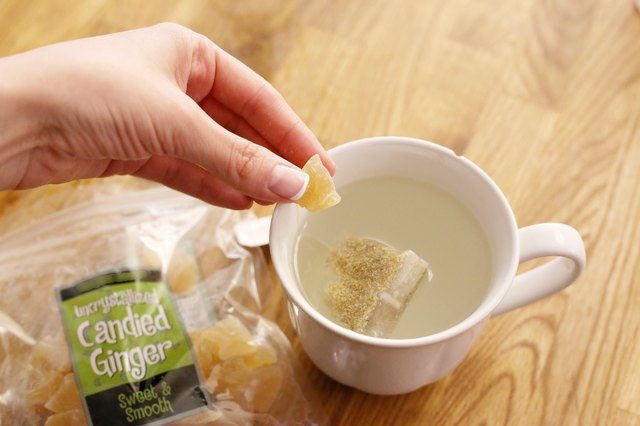
Ginger, a pungent root, is really a natural anti-inflammatory that calms the stomach and alleviates dyspepsia. Additionally, it has comforting effects on the esophagus because it reduces the inflammation that produces reflux. Ginger could be consumed uncooked or steeped in boiling water to generate tea. Furthermore, it usually is put into soups and stir-fries.
Apple cider vinegar is another natural antacid which can be diluted with water and consumed to assuage acidity rapidly. In order to avoid dyspepsia, it is recommended to take this liquid in moderation.
To be able to mitigate gastric acid, you can also try consuming a small glass of unadulterated coconut water. The mineral potassium in coconut water alters the body's pH from acidic to alkaline, and is particularly recognized to reduce inflammation induced by gastric acids. Chewing gum after meals is another natural remedy, since it stimulates the production of saliva, which serves to mitigate gastric acid and stop its contact with the esophagus. To preserve the dentition, however, it is essential to choose sugar-free gum.